-
Schedule a free consultation
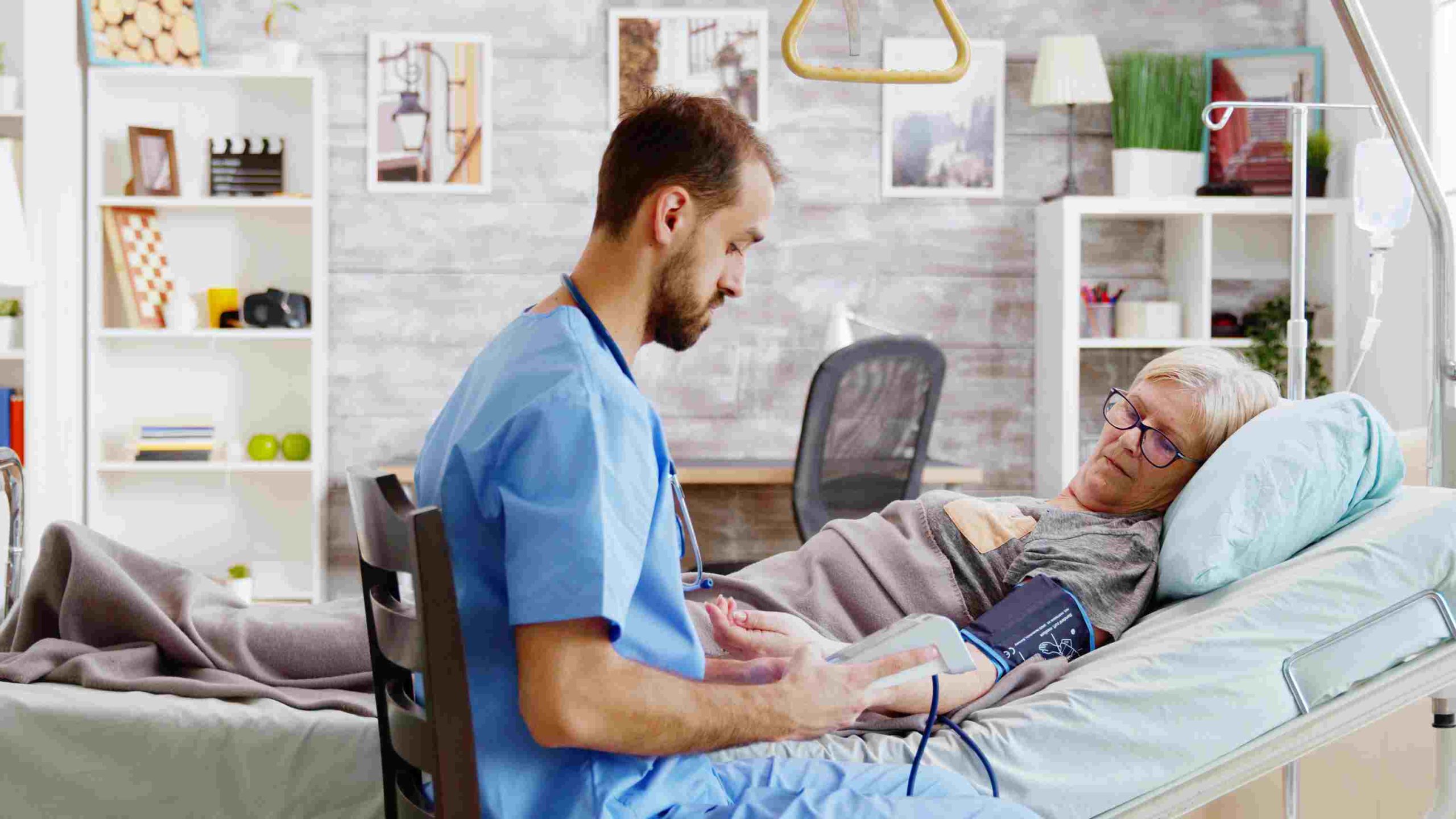
Hospital Discharge Home Care in Denver, CO
Leaving the hospital should feel like a victory. After days or weeks of procedures, monitoring, and uncertainty, your loved one is finally well enough to come home. But for many families, discharge day brings a mix of emotions, relief mixed with anxiety, hope mingled with fear. The medical team sends your loved home with instructions, prescriptions, and follow-up appointments, but who ensures everything happens correctly once the car pulls away from the hospital doors?
At First Hope Home Care, we bridge the gap between hospital discharge and full recovery at home. Our hospital discharge home care services in Denver provide the professional support your loved one needs during this critical transition period. We help prevent complications, reduce hospital readmissions, and give families the confidence that comes from knowing their loved one is safe, supported, and following their recovery plan.
Why Hospital Discharge Support Matters
The days and weeks following hospital discharge are among the most vulnerable times for any patient. Research consistently shows that nearly one in five Medicare patients is readmitted within 30 days of hospital discharge, often due to complications that could have been prevented with proper support at home.
Several factors contribute to this risk:
-
Medication confusion. Hospital stays often result in changed medications, new prescriptions, adjusted dosages, or stopped medications. Keeping track of these changes while also managing fatigue and recovery can be overwhelming.
-
Incomplete discharge instructions. Families receive pages of instructions about wound care, activity restrictions, warning signs, and follow-up appointments. Absorbing and implementing all this information while also providing hands-on care is challenging.
-
Reduced mobility and strength. Hospital stays lead to deconditioning. Muscles weaken, endurance drops, and balance may be impaired, increasing fall risk.
-
Delayed follow-up care. Scheduling and attending follow-up appointments, lab work, and therapy sessions requires coordination that can fall through the cracks.
-
Missed warning signs. Families may not recognize early signs of complications, infection, medication reactions, or worsening conditions, until problems become serious.
Our hospital discharge home care services address each of these risks, providing a safety net during the transition from hospital to home.
Personalized Transition Care Planning
No two hospital discharges are alike. Recovery from joint replacement surgery looks different from recovery after pneumonia treatment. An older adult living alone has different needs than someone returning to a home full of family caregivers. That is why we begin with a personalized approach.
We work with your loved one, your family, and the hospital discharge team to develop a transition care plan tailored to specific needs. Our caregivers become the link between the medical team and daily life at home, ensuring that discharge instructions become reality.
Personalized transition planning addresses:
-
Medication management. Understanding what changed, what is new, and what to watch for
-
Follow-up appointments. Scheduling and coordinating transportation
-
Activity and mobility. Following activity restrictions while preventing deconditioning
-
Diet and nutrition. Meeting any new dietary requirements
-
Warning signs. Knowing what symptoms require a call to the doctor and what requires emergency care
-
Home safety. Identifying and addressing fall risks before your loved one returns home
Our Hospital Discharge Home Care Services
We offer comprehensive support designed to make the transition home smooth, safe, and successful. Here is how we help:
Medication Management After Discharge
Hospital stays almost always mean medication changes. New prescriptions are added, old ones may be stopped, dosages adjust, and timing may shift. Getting all of this right is essential for recovery and preventing readmission.
Our caregivers provide critical medication support:
-
Medication reconciliation. We help ensure that the medications being taken at home match the discharge orders. We compare hospital discharge paperwork with current prescriptions and identify any discrepancies.
-
Medication reminders. We provide gentle, timely reminders to ensure medications are taken exactly as prescribed, at the right times and in the right doses.
-
New medication education. We help your loved one understand what new medications are for, how to take them, and what side effects to watch for.
-
Side effect monitoring. We observe for potential side effects, dizziness, nausea, confusion, or other reactions, and report concerns to family members and healthcare providers promptly.
-
Pharmacy coordination. We can help with prescription refills and ensure medications are available when needed.
-
Medication organization. We help set up pill organizers or medication schedules that make daily management simpler and more reliable.
Wound Care and Incision Monitoring
Many hospital discharges involve surgical incisions, IV sites, or other wounds that require careful monitoring. Proper wound care prevents infection and promotes healing.
Our caregivers provide:
-
Incision observation. We monitor surgical sites for signs of infection, redness, swelling, warmth, drainage, or odor, and report concerns immediately.
-
Dressing assistance. We help with dressing changes as permitted by the care plan, following sterile techniques when required.
-
Pain monitoring. We track pain levels and help your loved one manage discomfort according to the discharge plan.
-
Recovery tracking. We document healing progress and communicate observations to family members and healthcare providers.
Mobility Support and Fall Prevention
Hospital stays lead to weakness. Days or weeks in bed reduce muscle mass, impair balance, and decrease endurance. Returning home means navigating familiar spaces with a body that may not feel familiar at all.
Our caregivers support safe mobility by:
-
Assisting with transfers. Helping your loved one move safely from bed to chair, chair to toilet, or sitting to standing. We use proper techniques that protect both your loved one and our caregivers.
-
Walking support. Providing steady assistance during walks around the home or outside, following any activity restrictions from the medical team.
-
Mobility aid training. If your loved one received a cane, walker, or other mobility aid during their hospital stay, we help them use it correctly and consistently.
-
Fall prevention. We identify and address fall risks in the home, from throw rugs to poor lighting to slippery floors. We stay close during high-risk activities like bathing or stair climbing.
-
Pacing and energy conservation. We help your loved one balance activity with rest, preventing the exhaustion that can lead to falls or setbacks.
Transportation to Follow-Up Appointments
Follow-up care is essential after hospital discharge. Doctors need to check healing, adjust medications, and ensure recovery stays on track. But getting to these appointments can be challenging, especially for individuals who are weak, cannot drive, or rely on family members who work during the day.
Our caregivers provide:
-
Safe transportation. We provide reliable transportation to medical appointments, ensuring your loved one arrives on time and returns home safely.
-
Appointment accompaniment. We accompany your loved one into appointments when helpful, taking notes and ensuring discharge instructions are understood.
-
Communication with providers. We help relay information between healthcare providers and family members, ensuring everyone stays informed.
-
Lab work coordination. We can transport to lab appointments for blood work or other tests ordered at discharge.
Nutritional Support and Meal Preparation
Proper nutrition fuels recovery. But cooking may be difficult or impossible for someone returning home from the hospital. Fatigue, pain, and mobility limitations all interfere with meal preparation.
Our caregivers support nutritional recovery by:
-
Preparing healthy meals. We prepare meals that meet any dietary restrictions from the hospital, low-sodium for heart patients, soft foods after oral surgery, diabetic-friendly meals, or simply nutritious options that support healing.
-
Encouraging hydration. We offer fluids throughout the day, monitoring intake to prevent dehydration, which can lead to confusion, weakness, and complications.
-
Accommodating appetite changes. Illness and medications can affect appetite. We work with your loved one to find appealing options that still meet nutritional needs.
-
Grocery shopping. We handle grocery shopping, ensuring the home is stocked with appropriate foods before your loved one returns and throughout recovery.
Personal Care Assistance
Basic daily tasks become challenging after hospital discharge. Bathing, dressing, grooming, and toileting may require assistance, especially when mobility is limited or surgical sites need protection.
Our caregivers provide compassionate personal care:
-
Bathing assistance. We help with showers or bed baths, ensuring safety in the bathroom and protecting any wounds or surgical sites from moisture.
-
Dressing assistance. We help with clothing choices that are comfortable, appropriate, and easy to manage given mobility limitations.
-
Grooming support. We assist with oral care, shaving, and other grooming tasks that maintain dignity and comfort.
-
Toileting assistance. We help with transfers, bedpan use, or bedside commodes, responding promptly to reduce fall risk from rushing.
-
Incontinence care. If needed, we provide discreet, respectful assistance with incontinence products and skin care.
Household Support During Recovery
Recovery requires energy. Using that energy on housework, laundry, and errands slows healing. Our caregivers handle these tasks so your loved one can focus on getting better.
We provide:
-
Light housekeeping. Maintaining a clean, safe environment reduces infection risk and supports well-being.
-
Laundry and linens. We handle washing, drying, and putting away laundry, including changing bed linens for comfort and cleanliness.
-
Errand services. We pick up prescriptions, groceries, and other necessities, reducing the burden on family caregivers.
-
Mail and light organization. We can help manage paperwork, sort mail, and maintain a sense of order during the recovery period.
Companionship and Emotional Support
Hospitalization is traumatic. The experience of being seriously ill, undergoing procedures, and depending on others leaves emotional marks. Returning home, while welcome, can also bring anxiety, depression, and fear.
Our caregivers provide essential emotional support:
-
A listening ear. We take time to hear your loved one’s concerns, fears, and frustrations about their health and recovery.
-
Reassurance and encouragement. Recovery often feels slow. We celebrate small victories and provide gentle encouragement during setbacks.
-
Reducing isolation. Having someone present reduces the loneliness that can accompany recovery, especially for those living alone.
-
Meaningful engagement. We engage your loved one in activities they enjoy, conversation, music, games, or simply sitting together, bringing normalcy back into daily life.
-
Anxiety reduction. Our calm, competent presence helps reduce the anxiety that many individuals feel after a hospital stay.
24-Hour and Live-In Care After Hospital Discharge
For individuals returning home after major surgery, serious illness, or complex medical events, continuous care may be necessary during the initial recovery period. First Hope Home Care offers comprehensive 24-hour and live-in care services throughout Denver for patients who need support around the clock.
Who benefits from continuous post-discharge care?
-
Individuals recovering from major surgery, such as joint replacement, cardiac surgery, or cancer surgery
-
Those with complex medication schedules requiring overnight dosing
-
Patients with mobility limitations that make nighttime bathroom trips hazardous
-
Individuals at high risk for complications or falls
-
Those who become anxious or fearful when left alone after hospitalization
-
Families who are exhausted from providing intensive care and need reliable support to rest
What continuous care includes:
-
Overnight supervision. A caregiver present throughout the night to assist with bathroom trips, reposition for comfort, or respond immediately to pain, anxiety, or changes in condition.
-
Medication management. Ensuring medications are taken on schedule, even during overnight hours, maintaining consistent therapeutic levels.
-
Symptom monitoring. Watching for warning signs of complications, fever, increased pain, shortness of breath, confusion, and responding immediately.
-
Safety and fall prevention. Providing constant support for mobility and transfers, preventing the falls that are common in the days after hospital discharge.
-
Respite for family caregivers. Around-the-clock care allows family members to rest and recharge, knowing their loved one is never alone during this critical period.
We offer both rotating shift care (24-hour) and live-in care options to meet different needs and preferences. Both ensure your loved one receives the highest level of attention and support during the vulnerable post-discharge period.
Care Coordination with Healthcare Providers
Recovery requires teamwork. Your loved one’s medical team includes doctors, specialists, therapists, and home health providers. Keeping everyone informed and aligned can be challenging, especially when families are already stretched thin.
Our caregivers serve as the eyes and ears in the home, providing valuable information to the healthcare team:
-
Daily observations. We document changes in condition, symptoms, medication responses, and recovery progress.
-
Communication with family. We keep family members informed about how their loved one is doing, even when they cannot be present.
-
Coordination with home health. If your loved one receives skilled home health services, nursing, physical therapy, occupational therapy, we work alongside these professionals to support their recommendations.
-
Reporting concerns. When we observe potential problems, we report them promptly to family members and appropriate healthcare providers, enabling early intervention.
-
Appointment follow-through. We help ensure your loved one attends follow-up appointments and that discharge instructions are implemented at home.
Preventing Hospital Readmission
Hospital readmission is stressful, costly, and often preventable. Common reasons for readmission include medication errors, failure to recognize warning signs, falls, and inadequate support at home. Our services directly address each of these risk factors.
How we help prevent readmission:
-
Medication accuracy. We ensure medications are taken correctly, reducing the risk of adverse reactions or treatment failure.
-
Symptom recognition. We are trained to recognize early warning signs of complications, infection, dehydration, medication reactions, worsening conditions, and report them before they become emergencies.
-
Fall prevention. We keep your loved one safe during mobility, reducing the falls that often lead to readmission.
-
Nutrition support. We ensure your loved one eats and drinks adequately, supporting healing and preventing complications.
-
Follow-up care. We help ensure follow-up appointments happen, giving doctors the opportunity to catch problems early.
-
Peaceful environment. We reduce stress and anxiety, which supports healing and overall well-being.
Guidance Through Medicaid and IHSS
Navigating the IHSS (In-Home Support Services) program and Colorado Medicaid for post-hospital care can feel overwhelming, especially when your family is already focused on recovery. At First Hope Home Care, we are here to help families in Denver understand their options and access the financial support available to them.
What Is IHSS?
In-Home Support Services (IHSS) is a Medicaid-funded program in Colorado that helps individuals receive care in their own homes. It allows family members to become paid caregivers for their loved ones, providing personal care, homemaker services, and health maintenance activities. For individuals recovering from hospitalization, this can be a lifeline, enabling them to recover at home while family caregivers receive compensation for the essential support they provide.
Who Qualifies?
Eligibility for IHSS depends on enrollment in specific Medicaid waiver programs:
-
For adults: Enrollment in the Elderly, Blind, and Disabled (EBD) waiver or similar programs
-
For children: Enrollment in the Children’s Home and Community Based Services (CHCBS) waiver
-
General requirements: Must be enrolled in Health First Colorado (Colorado’s Medicaid program), meet an institutional level of care, and have an assessed need for services
What Services Are Covered?
IHSS can cover a range of services that directly support post-hospital recovery:
-
Personal care. Assistance with bathing, dressing, grooming, eating, and mobility
-
Homemaker services. Help with meal preparation, light housekeeping, shopping, and laundry to maintain a safe, clean recovery environment
-
Health maintenance activities. Tasks such as medication reminders and monitoring that support recovery and prevent complications
How We Help
Our team assists families with every step of navigating these programs:
-
Application assistance. We help you understand the paperwork, gather required documentation, and complete applications accurately to avoid delays.
-
Eligibility determination. We work with you to determine which programs your loved one may qualify for based on their condition, age, and current coverage.
-
Coordination with case management agencies. We help connect you with your local Case Management Agency, which is essential for initiating the assessment process.
-
Understanding benefits. We help families understand what services are covered, how hours are determined, and what to expect throughout the process.
-
Provider agency connection. If your loved one qualifies, we can help you select an approved IHSS provider agency and navigate the enrollment steps.
If your loved one qualifies for Medicaid, you may be able to access post-hospital care services at a reduced cost, or even receive compensation as a family caregiver. You do not have to navigate the system alone. Let us guide you through the complexities so you can focus on what matters most: supporting your loved one’s recovery.
Why Denver Families Choose First Hope Home Care
When your loved one is coming home from the hospital, you need more than just any caregiver, you need someone who understands the unique challenges of post-hospital recovery. Here is what sets us apart:
-
Experience with transitions. Our caregivers understand the hospital discharge process and what it takes to prevent readmission. They know what to watch for and how to support recovery.
-
Personalized approach. We take time to understand your loved one’s specific condition, discharge instructions, and recovery goals. No two recoveries are alike, and neither are our care plans.
-
Communication focus. We keep families and healthcare providers informed, ensuring everyone stays on the same page throughout recovery.
-
Local knowledge. As a Denver-based agency, we understand local hospitals, healthcare resources, and programs available to families in our community.
-
Flexibility. Recovery needs change. We adapt our support as your loved one progresses from bed rest to light activity to full recovery.
-
Peace of mind. Knowing your loved one is safe, supported, and following their discharge plan allows you to rest easier and focus on being family rather than being a full-time nurse.
A Partner in Recovery
At First Hope Home Care, we do more than provide services, we become a trusted partner in your loved one’s recovery. We understand that the days after hospital discharge are critical, and we are here to ensure that transition is smooth, safe, and successful.
Here is what that partnership looks like in daily life:
-
Expert support when it matters most. Our caregivers bring experience and training to the critical post-discharge period, catching what others might miss and preventing complications before they start.
-
Relief from the burden of care. Family caregivers often bear the heaviest load after a hospital stay. We lift that burden, handling the hands-on care so you can simply be present with your loved one.
-
Confidence that recovery is on track. Knowing a trained professional is monitoring medications, watching for warning signs, and ensuring follow-up appointments happen gives you confidence that your loved one is truly recovering.
-
Preserved independence. The right support actually speeds recovery by preventing setbacks, reducing stress, and allowing your loved one to heal in the comfort of their own home.
Our goal is simple: to help your loved one recover fully and safely, remaining in the place they love with the support they need.
Take the Next Step
If your loved one is preparing to come home from the hospital, you do not have to manage this transition alone. Let First Hope Home Care provide the professional, compassionate support that ensures a smooth recovery at home.
We invite you to reach out and learn more about how we can create a personalized post-discharge care plan tailored to your loved one’s unique needs. From medication management to wound care to mobility support to around-the-clock supervision, we are here to help your family navigate this critical time with confidence and peace of mind.
What’s Next?
If your loved one is transitioning from the hospital and you’re ready to provide them with the compassionate care they need, reach out to First Hope Home Care today. We’ll connect you with a certified caregiver experienced in post-hospital recovery and discharge support. We also offer a free in-home consultation to assess your needs and create a personalized care plan.
Contact us at 303-222-0063 or email us at to get started today!
Contact us
We believe in working alongside you—not taking charge. You’re the decision-maker in your care, and we’re here as your supportive partner every step of the way.
Discover what sets our home care services in Denver, Aurora, and their surrounding areas apart.
- Round-the-clock access to compassionate care
- Personalized care plans tailored to your unique needs
- Regular supervisory visits for added peace of mind
- Thoughtful caregiver introductions to ensure the right fit
- Nutritional guidance and meal planning
- Respite care for family caregivers
- Meaningful companionship and social connection
- Assistance with mobility and staying active
- Help with errands and grocery shopping
- Proactive fall prevention strategies